How Colors and Light Shape Our Modern Towns




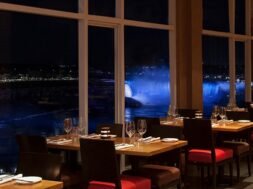
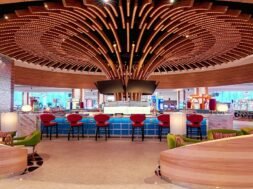

The visual environment of a city plays a vital role in shaping its character, functionality, and the well-being of its inhabitants. From the way natural sunlight interacts with urban structures to the deliberate use of artificial lighting and vibrant colors, these elements influence how people experience and navigate our modern towns. Understanding this dynamic relationship helps urban planners, architects, and communities craft spaces that are both beautiful and sustainable.
Take, for example, “My Sweet Town”, a contemporary city that exemplifies thoughtful integration of light and color. Its innovative design demonstrates how visual elements can foster community spirit, enhance safety, and promote environmental responsibility. This article explores the science, design principles, and future trends that underpin the colorful and luminous cities of tomorrow.
Contents
- The Science of Light and Color in Urban Settings
- Architectural Color Choices and Their Impact on Cities
- Light as a Design Element in Urban Planning
- Psychological and Social Effects of Color and Light in Cities
- Non-Obvious Aspects of Light and Color in Modern Towns
- Future Trends: Innovating with Light and Color in Urban Development
- Conclusion
The Science of Light and Color in Urban Settings
Understanding how light interacts with urban environments starts with fundamental principles such as refraction, reflection, and absorption. When natural sunlight hits buildings and surfaces, it is refracted through atmospheric particles, creating variations in brightness and color. Reflection, especially off glass and polished surfaces, can amplify light’s reach, enhancing visual vibrancy or causing glare. Conversely, absorption by darker surfaces converts light into heat, influencing urban microclimates.
For example, the choice of building colors directly impacts heat absorption. Light-colored surfaces tend to reflect more sunlight, reducing cooling costs, while darker hues absorb heat, which can be advantageous or detrimental depending on climate. This principle is harnessed in architecture to improve energy efficiency, as seen in some modern cities adopting reflective roofs or light-colored facades.
Additionally, natural phenomena such as rainbows or atmospheric optical effects contribute to the cityscape’s aesthetic appeal, inspiring public art and design. These effects demonstrate how light’s behavior in the environment influences urban visual culture and atmospheric quality.
Architectural Color Choices and Their Impact on Cities
Colors are not mere aesthetics; they impact city mood, identity, and even thermal comfort. Urban color palettes can evoke feelings of vibrancy, calm, or tradition. For instance, a neighborhood painted in warm reds and oranges may foster energy and community engagement, while cool blues can evoke tranquility.
An illustrative example is the use of pink-colored buildings in some cities, such as in parts of the Mediterranean or Latin America, which reflect sunlight efficiently while adding a distinctive cultural identity. Pink surfaces tend to reflect more infrared radiation than darker shades, helping to reduce heat retention and improve comfort during hot seasons.
Modern architecture increasingly employs innovative color schemes to enhance sustainability. Dynamic, adaptive facades that change color or opacity in response to environmental conditions are under development, aiming to optimize thermal regulation and reduce energy consumption.
| Color | Thermal Effect | Urban Application |
|---|---|---|
| White/Light Colors | Reflects heat, keeps buildings cooler | Commercial rooftops, facades |
| Dark Colors | Absorbs heat, raises temperature |
Light as a Design Element in Urban Planning
Artificial lighting enhances safety, visibility, and aesthetic appeal. Techniques such as LED streetlights, accent lighting on monuments, and illuminated pathways create inviting nightscapes. For instance, well-placed lighting in public squares encourages social interaction and reduces crime by improving visibility.
Daylight utilization strategies involve designing buildings and urban layouts that maximize natural light, reducing energy consumption and improving residents’ well-being. Features like reflective surfaces, open courtyards, and strategic orientation of streets and windows facilitate this process.
In “My Sweet Town,” lighting design emphasizes community ambiance. The town employs warm-colored lights in residential areas to foster comfort and cooler, brighter lighting in commercial zones for vibrancy. Such nuanced approaches demonstrate how lighting shapes the urban experience.
Psychological and Social Effects of Color and Light in Cities
Colors can influence mood and behavior profoundly. Research shows that blue hues promote calmness, while red shades energize spaces. Urban environments that incorporate these insights can foster healthier social interactions and reduce stress.
Lighting impacts safety and activity levels at night. Bright, well-lit public spaces encourage nighttime socialization and commerce, whereas poorly lit areas deter activity. “My Sweet Town” exemplifies this with vibrant neighborhoods featuring extensive lighting, boosting community engagement after dark.
Proper use of color and light not only beautifies a city but also enhances its social fabric, safety, and residents’ well-being.
Non-Obvious Aspects of Light and Color in Modern Towns
Beyond aesthetics, innovative applications such as edible architecture are emerging. Sugar sculptures or edible facades serve as artistic and cultural expressions, linking food, art, and urban design. These structures are temporary but highlight how light and color can be creatively manipulated to foster community identity.
Color branding plays a crucial role in shaping a city’s image. Iconic color schemes associated with urban districts or landmarks help residents and visitors identify and connect with the city’s identity.
Furthermore, light manipulation techniques like projection mapping or interactive installations foster urban art and entertainment, transforming ordinary cityscapes into vibrant cultural venues. These innovations demonstrate how light and color can push creative boundaries and stimulate urban innovation.
Future Trends: Innovating with Light and Color in Urban Development
The advent of smart lighting systems allows cities to adapt illumination dynamically based on time, weather, and activity patterns. Adaptive color schemes can change to reflect seasons or cultural events, enhancing urban vibrancy.
Sustainable lighting solutions focus on energy efficiency, utilizing renewable energy sources and minimizing light pollution. Technologies like LED lighting and solar-powered fixtures are becoming standard in eco-conscious urban planning.
Imagining the future of “My Sweet Town,” it could integrate these innovations seamlessly, creating urban environments that are not only visually stunning but also environmentally responsible. Such cities will exemplify the harmony between aesthetic appeal and sustainability.
Conclusion
The interplay of light and color fundamentally shapes the character and functionality of modern towns. Thoughtful design choices influence everything from thermal comfort to social cohesion, making cities more vibrant, safe, and sustainable. As technological advances continue, integrating innovative lighting and coloring solutions will be key to developing future-proof urban environments.
By understanding and harnessing these visual elements, urban planners and communities can craft spaces that are not only aesthetically pleasing but also promote environmental responsibility and social well-being. The ongoing evolution of city design promises a future where towns like “My Sweet Town” become exemplars of harmony between technology, art, and nature.
