The Psychology Behind Winning Video Slot Designs




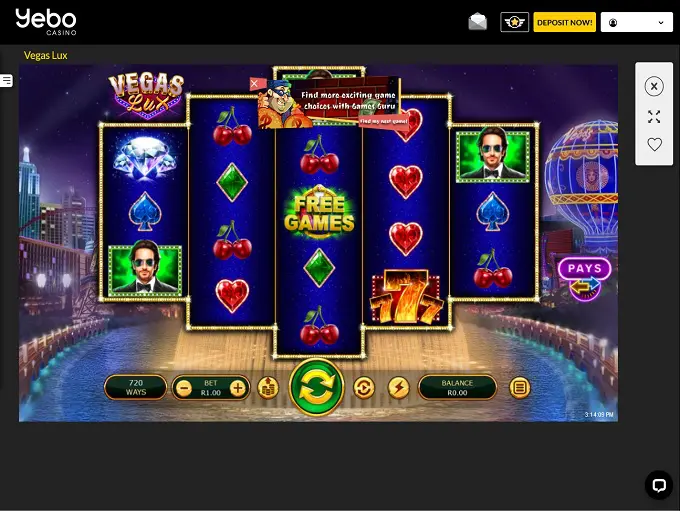


Modern video slots are far more than mere entertainment; they are sophisticated psychological experiences engineered to captivate and sustain attention. These digital games blend visual spectacle with deep cognitive engagement, subtly shaping how players perceive reward, risk, and control. At their core, video slots leverage well-understood psychological principles to influence behaviour, making the experience both compelling and, at times, deceptively addictive. Understanding this design psychology not only enhances player awareness but also offers valuable insights for developers aiming to balance engagement with responsibility.
From cognitive engagement to perceived reward
Video slots thrive by integrating entertainment with mental stimulation. Players are drawn not only to the bright lights and sounds but to the unpredictable nature of outcomes and the thrill of near-misses. Designers exploit this through psychological triggers such as variable reinforcement schedules—where rewards arrive on inconsistent intervals—mimicking the very unpredictability of chance that captivates gamblers. This mechanism sustains prolonged play by activating the brain’s reward system more powerfully than fixed payouts ever could.
Near-misses and dopamine: the science of close wins
One of the most potent psychological tools in slot design is the near-miss effect. When a winning line is almost achieved—say, three symbols align with one gap—the brain registers a near-win, triggering a surge in dopamine. Research shows this response is nearly indistinguishable from actual victory, reinforcing hope and prolonging engagement. Slots like *Fire in the Hole 3* exemplify this: even a close call can spark intense emotional investment, keeping players hooked.
Illusion of control through interactivity
Designers often embed features that give players a sense of agency—rotating reels, customisable themes, or bonus rounds triggered by personal choice. These elements foster the illusion of control, a powerful behavioural driver. When players feel they are influencing outcomes, even subtly, their motivation to continue rises significantly. This principle transforms passive observation into active participation, deepening emotional connection to the game.
Demo modes: learning reward patterns firsthandDemo play modes as educational tools
Demo modes serve as both a player educational resource and a psychological bridge. By allowing users to experience reinforcement schedules without real risk, demos demystify randomness and reward timing. Players observe how variable payouts build momentum, making the slot’s mechanics clearer and more transparent. This transparency fosters informed engagement, helping users distinguish between chance and strategy—key to responsible gambling.
Augmented reality: deepening presence and attentionImmersive design and emotional investment
The rise of augmented reality (AR) in slot interfaces introduces a new dimension to psychological engagement. By overlaying digital elements onto the real world, AR enhances presence and focus. In AR-enhanced slots, players may perceive near-wins as tangible—symbols seeming to leap from the screen—amplifying emotional responses and the illusion of proximity to winning. This heightened immersion intensifies attention and increases perceived reward likelihood, even when outcomes remain fundamentally random.
Real-world examples: triggers in action
Leading developers embed psychological triggers into core mechanics. Increasing paylines during bonus rounds create a sense of escalating opportunity, while flashing animations and celebratory sound effects reinforce winning moments with sensory intensity. These cues—sound, light, visual feedback—form a multi-layered reinforcement system that strengthens memory and motivation. The strategic use of these elements sustains long-term play by continuously rewarding engagement.
The balance between challenge and reward
Successful slots maintain a delicate equilibrium: enough difficulty to feel rewarding, yet achievable enough to avoid frustration. This balance aligns with the psychological need for progression and mastery, keeping players motivated across sessions. Games like *Fire in the Hole 3* exemplify this balance, using escalating stakes and responsive feedback to sustain interest over time.
For players: awareness of cognitive biases
Understanding how video slots manipulate perception empowers players to recognise cognitive biases—such as the gambler’s fallacy or recency bias—that influence gambling decisions. This knowledge supports more mindful engagement, helping individuals distinguish entertainment from risk. Awareness fosters healthier habits and protects against compulsive behaviour.
For designers: ethical responsibility and innovation
Designers wield significant influence over player psychology. With ethical insight, they can craft experiences that entertain without exploiting vulnerabilities. By integrating transparent reward systems, responsible pause prompts, and balanced difficulty, designers uphold a standard of responsible engagement. The future of slot design lies in merging neuroscience, technology, and behavioural science to create meaningful, sustainable play.
Explore the full Fire in the Hole 3 demo and experience slot psychology firsthand
| Table of Contents | 1. Introduction: The Psychology of Winning Video Slot Designs |
|---|---|
| 2. Core Psychological Principles | |
| Variable reinforcement schedules sustain long-term play by unpredictably rewarding action. Near-misses activate dopamine, mimicking real wins and deepening engagement. The illusion of control through interactive features strengthens emotional investment. | |
| 3. Demo Modes: Learning Reinforcement Firsthand | |
| Demo play modes demystify randomness, showing timing and payout patterns. This transparency builds informed play and reduces frustration. | |
| 4. Augmented Reality: Heightening Presence | |
| AR elements deepen immersion, amplifying emotional investment and perceived proximity to winning. This creates a more visceral, engaging experience. | |
| 5. Real-World Design Examples | |
| Leading developers use flashing bonuses, increasing paylines, and layered feedback to trigger dopamine. These reinforce winning behaviours while balancing challenge and reward. | |
| 6. Beyond the Game: Player Awareness & Designer Duty | |
| Players benefit from understanding cognitive biases like near-miss illusions. Designers must prioritise responsible engagement through ethical psychology and balanced mechanics. | |
| 1. Introduction: The Psychology of Winning Video Slot Designs
Video slots are a masterclass in psychological design, blending entertainment with deep cognitive engagement. Behind flashing lights and spinning reels lies a sophisticated system built on behavioural science. Modern slots exploit the brain’s reward pathways, using variable reinforcement, near-misses, and partial wins to sustain attention and encourage continued play. For players, recognising these principles fosters greater awareness; for designers, understanding psychology enables the creation of responsible, rewarding experiences. |
|
