

The Allure of Risk Understanding the Psychology Behind Gambling
The Thrill of Uncertainty
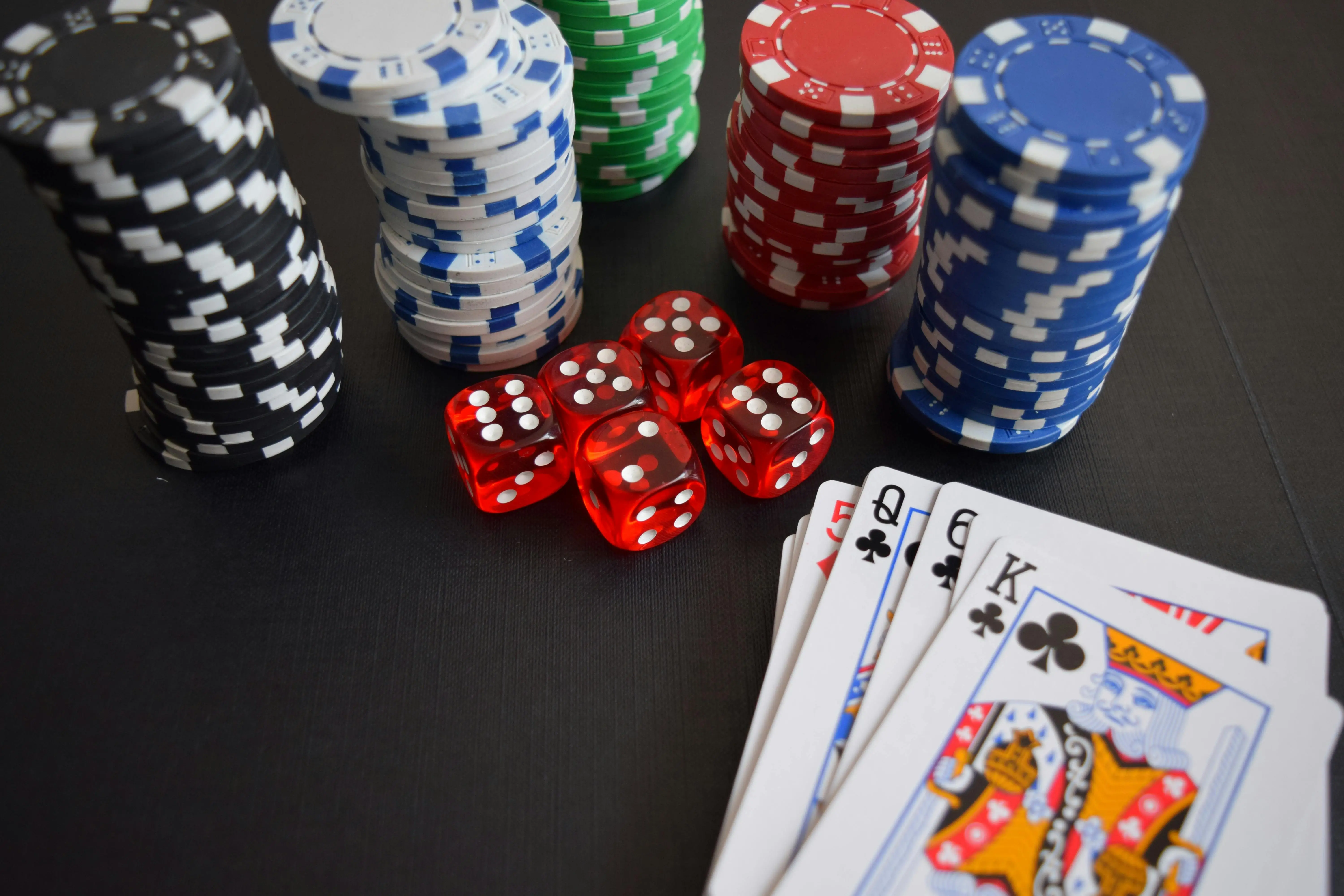
The excitement that accompanies gambling is often rooted in the thrill of uncertainty. Whether it’s the spin of a roulette wheel, the roll of dice, or the draw of cards, each moment holds the potential for both triumph and defeat. This unpredictability captivates players, sparking a surge of adrenaline that can be deeply exhilarating. The anticipation of not knowing the outcome creates an emotional rollercoaster that many find irresistible.
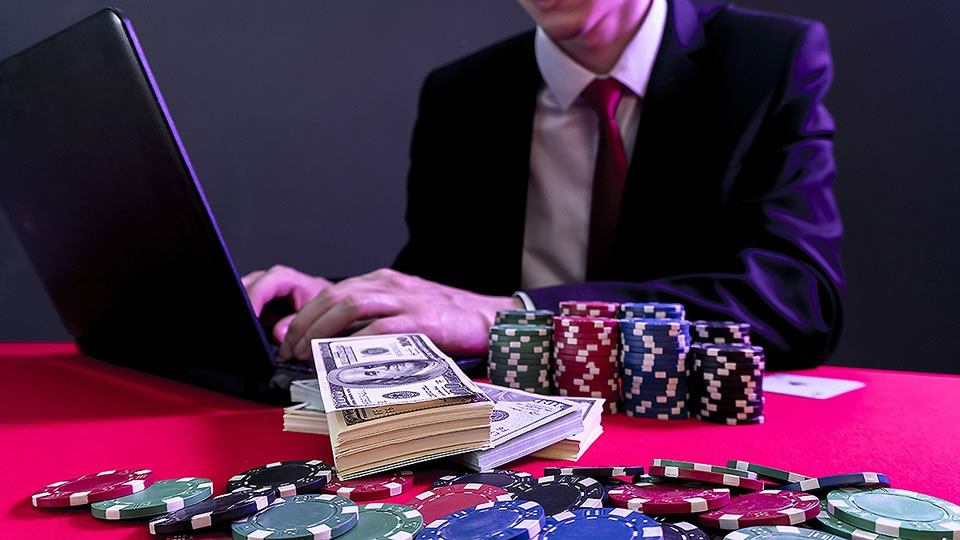
This allure of risk draws individuals from various walks of life, each seeking their unique satisfaction. For some, it’s the possibility of winning large sums that fuels the desire to engage. For others, the challenge of beating the odds provides a sense of accomplishment. Many are also intrigued by resources such as teen patti gold downloadable, which can enhance their gaming experience. This complex mix of motivations speaks to a core human instinct—an innate curiosity and desire to explore the boundaries of luck and chance.
The Role of Cognitive Biases
Cognitive biases play a significant role in gambling behavior, often clouding judgment and leading individuals to make irrational decisions. One prevalent bias is the illusion of control, where players believe they can influence the outcome of random events. This false sense of empowerment makes the experience more engaging, as participants feel they have some level of mastery over the game, even when it’s purely based on chance.
Another common bias is the gambler’s fallacy, where individuals think that past outcomes affect future results. For instance, if a roulette wheel has landed on red several times in a row, players might believe that black is “due” to hit. This misconception can lead to ill-fated betting strategies, reinforcing the cycle of gambling behavior. Understanding these biases can help individuals recognize the psychological traps that often accompany gambling, potentially aiding in more responsible decision-making.
Social Influences and Community
The social aspect of gambling is another critical factor that enhances its appeal. Many people engage in gambling activities not just for financial gain but to connect with others. Casinos and betting establishments often create vibrant social environments where camaraderie thrives. Shared experiences, whether it’s cheering for a team or celebrating a big win, foster a sense of belonging that can be remarkably rewarding.
Additionally, the power of peer influence can amplify the allure of gambling. Friends or family members who partake can encourage one another, creating an environment where the thrill is collectively experienced. This communal aspect can lead to heightened excitement, making it difficult for individuals to resist the urge to join in the fun. The social game can become as engaging as the gamble itself, intertwining relationships with the act of playing.
The Importance of Responsible Gambling
As the fascination with gambling continues to grow, it is vital to understand the importance of responsible gaming practices. Responsible gambling encompasses a range of strategies aimed at minimizing risk and ensuring that the experience remains enjoyable. Players are encouraged to set limits on their time and spending, fostering a healthier relationship with gambling activities.

Furthermore, educational resources are essential in promoting awareness of the potential risks associated with gambling. Websites dedicated to gambling education can offer insights into responsible practices and support mechanisms should gambling habits become problematic. Prioritizing well-being and making informed choices can help individuals navigate the alluring waters of risk while enjoying the thrill safely.